

The Bone Clocks
A tangent

This tangent was published on Instagram in 2019. It was written in 2039.
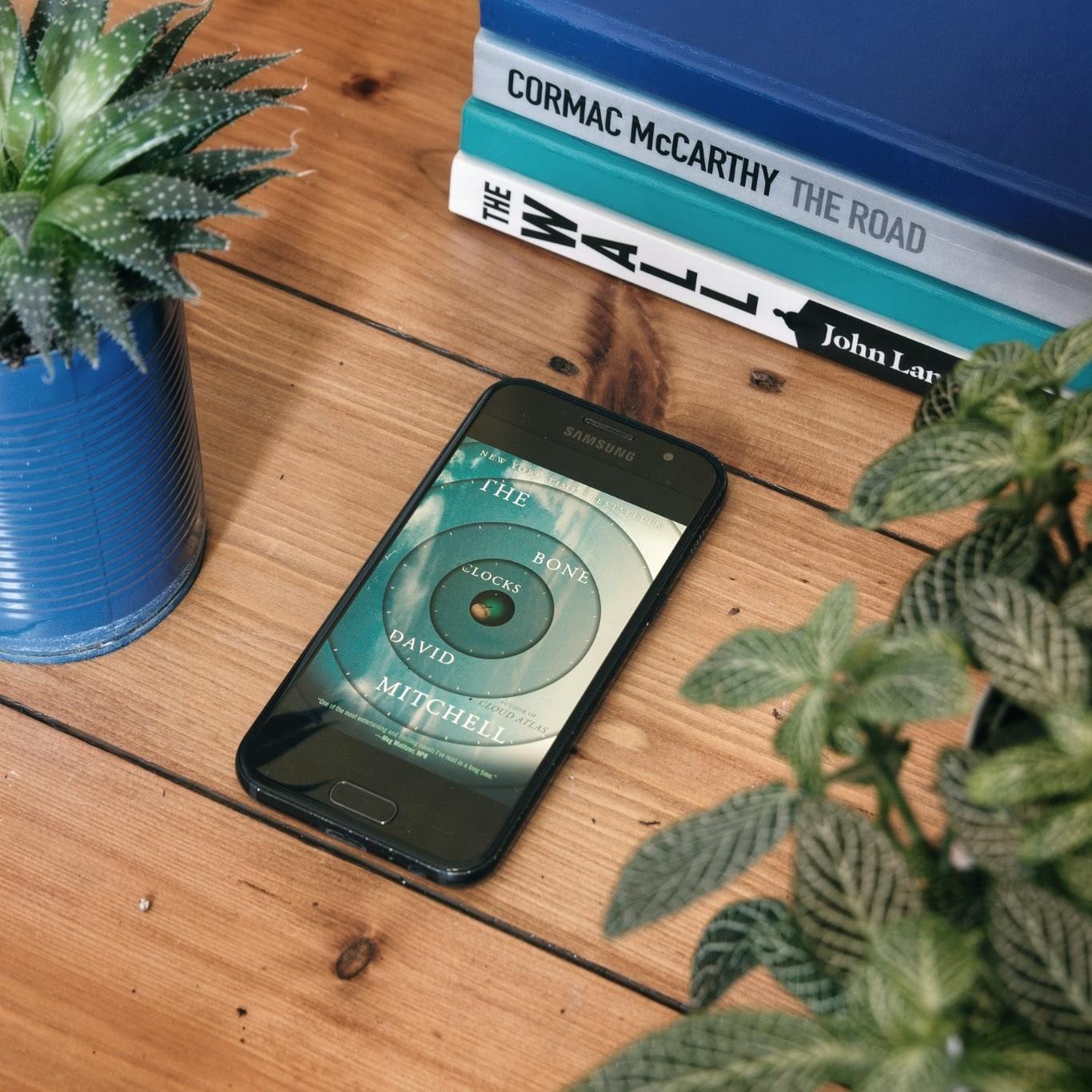
The Bone Clocks is forever associated in my mind with that summer in 2019. We couldn't really know then – how could we? – that it was the last year we could really make a difference. Greta in that boat crossing the Atlantic. The world hanging by a thread.
After 2020, no one wanted to read or watch dystopian fiction. Absurdist comedy came into fashion again, like gallows humour.
Back in 2019, I read a bunch of these books. Lanchester's The Wall was probably the most prescient, painfully accurate in retrospect. But even by that point, we'd already lost our appetite for realism.
A few weeks earlier, I read the biopunk thriller by Bacigalupi, The Windup Girl. Already ten years old, this flashy dystopia made the post-apocalyptic, post-oil future seem kind of exciting. What's that Murakami quote?
‘Everyone, deep in their hearts, is waiting for the end of the world to come.’
No, now I think about it, The Bone Clocks was most like that other messy novel of 2019, Alan Moore's Jerusalem.
Both seemed to be written from a place of deep affection and curiosity about ordinary, everyday life. At the same time, both writers were glancing at the corners, peeling back the wallpaper, letting us in on a secret about the weird deeper magic, underpinning everything.
Both refer to Jacob's ladder, the biblical portal into another dimension. Because wardrobes and rabbit holes never go out of fashion.
I think, in the end, I preferred Mitchell's cosmic self-parody. Halfway into The Bone Clocks he writes his own review:
the fantasy subplot clashes so violently with the book's State of the World pretensions, I cannot bear to look ... what surer sign is there that the creative aquifers are running dry than a writer creating a writer-character?
A year later, in the midst of the Crisis, parody would seem self-indulgent and a bit showy.
But how could Mitchell know that then?