




These dead women, their bones long sunk in London clay, are now transmigrated. Weightless, they slide on the upper currents of the air. They pity no one. They answer to no one. Their lives are simple. When they look down they see nothing but their prey, and the borrowed plumes of the hunters: they see a flittering, flinching universe, a universe filled with their dinner.
Last Week | Home Page | Reading Schedule | Next Week
Welcome to Wolf Crawl. I am your guide, Simon Haisell, and this is a year-long slow read of Hilary Mantel’s Cromwell trilogy: Wolf Hall, Bring Up the Bodies, and The Mirror and the Light.
Each week, I dive into the details, with summaries, background, footnotes and tangents to enrich your reading. I am joined on this journey by Bea Stitches, who delves into the archive on our behalf, and Matt Brown, who makes maps to help us find our way through Cromwell’s world.
You can find the reading schedule and plot summaries for the full cast of characters on my website, Footnotes and Tangents. There, you can join other slow reads, including Leo Tolstoy’s War and Peace, Pat Barker’s Regeneration, and The Inheritors by William Golding.
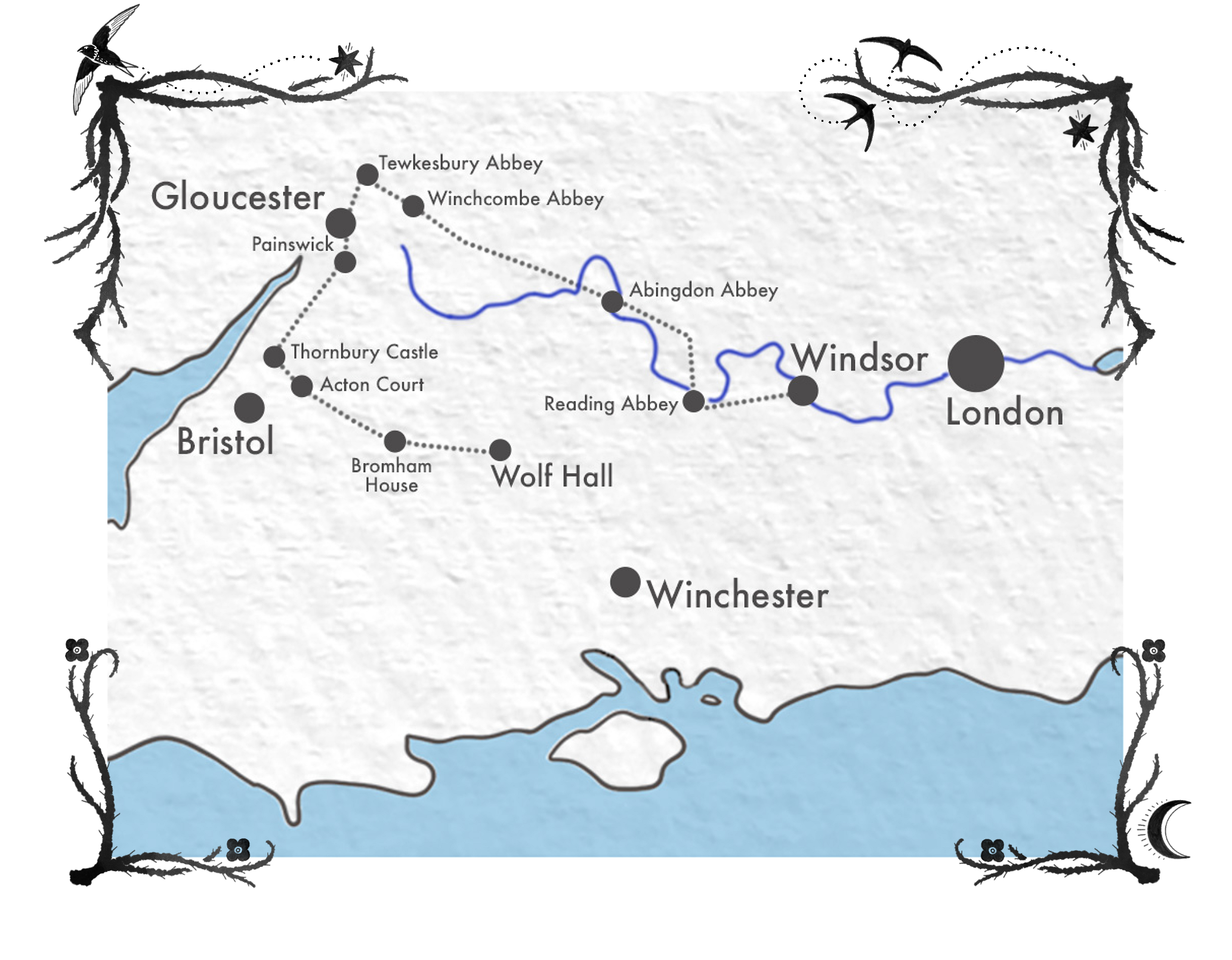
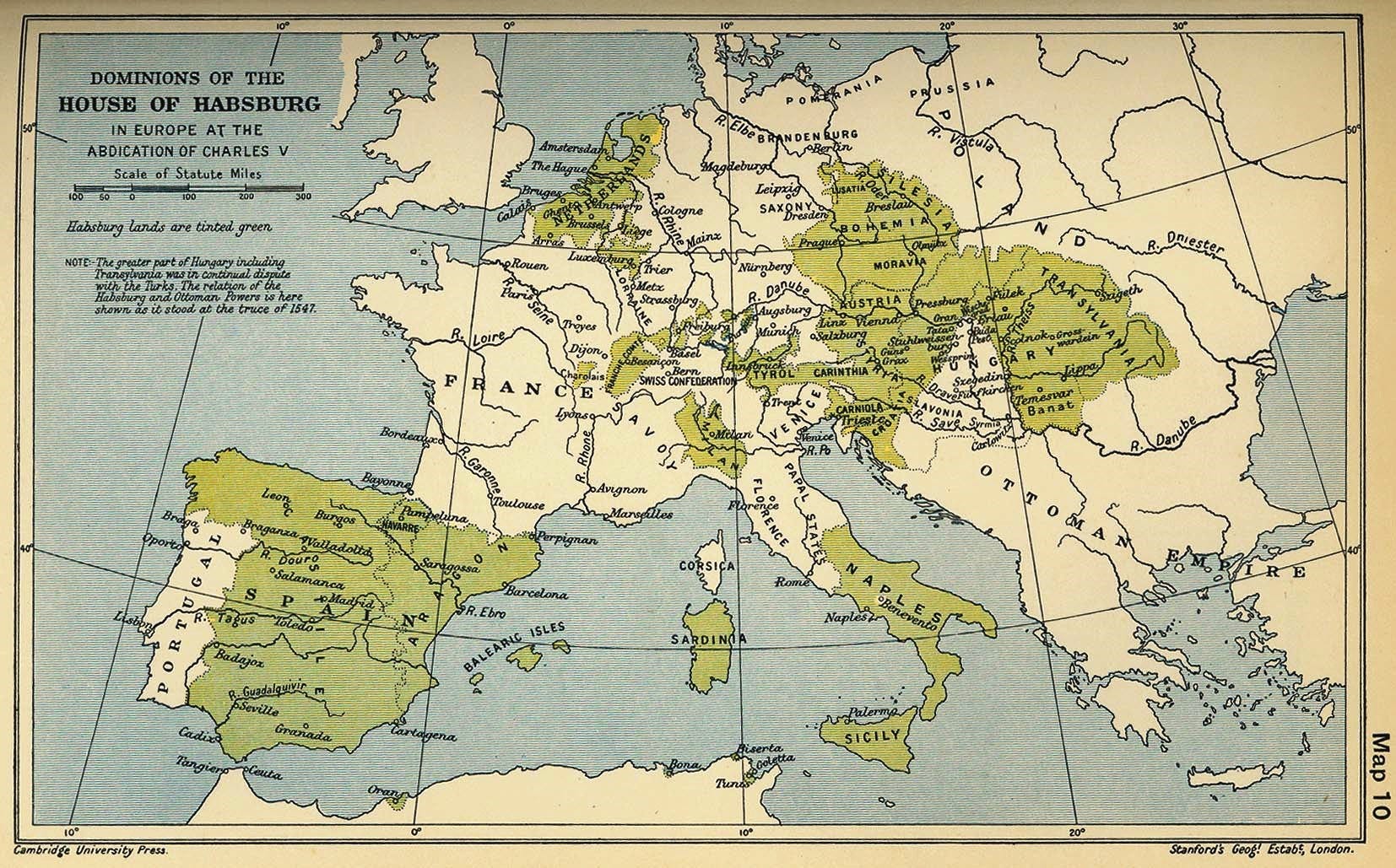
I start each post with a summary of the week’s story, illustrated by a map created by Matt Brown. This week, we begin Bring Up the Bodies. Part One. Chapter I. Falcons. Wiltshire, September 1535.
UK Fourth Estate edition, pp. 1–35
US Picador, pp. 3–30
US Henry Holt, pp. 3-30 (guide only, editions vary)
Ben Miles audiobook, 0–01:07:15
First Line: His children are falling from the sky.
Last Line: …looking out into England.
This summary is followed by a few footnotes of interest.
This week, it is game on for the chase, the hunt, the kill. We must practise our falconry and study old stones, for we may have one more fine day. Cromwell’s origins are under scrutiny, the education of women is discussed, and the board is set for the next match, Cromwell vs. Boleyn. In the archives, Bea Stitches is reading Cromwell’s amendments to marriage plans and an illegible correspondence between himself and the Duchess of Norfolk. In the haunting of Wolf Hall, we go in search of a magic net.
And then it is over to you. In the comments, let us know what caught your eye and ask the group any questions you may have. And if you’ve tumbled down a rabbit hole or taken your reading off on a tangent, please share where you have been and what you have found.
Turn on notifications for “2026 Wolf Crawl” in your subscription settings to get weekly reminders linking to these posts in your inbox or the Substack App.
This week’s story
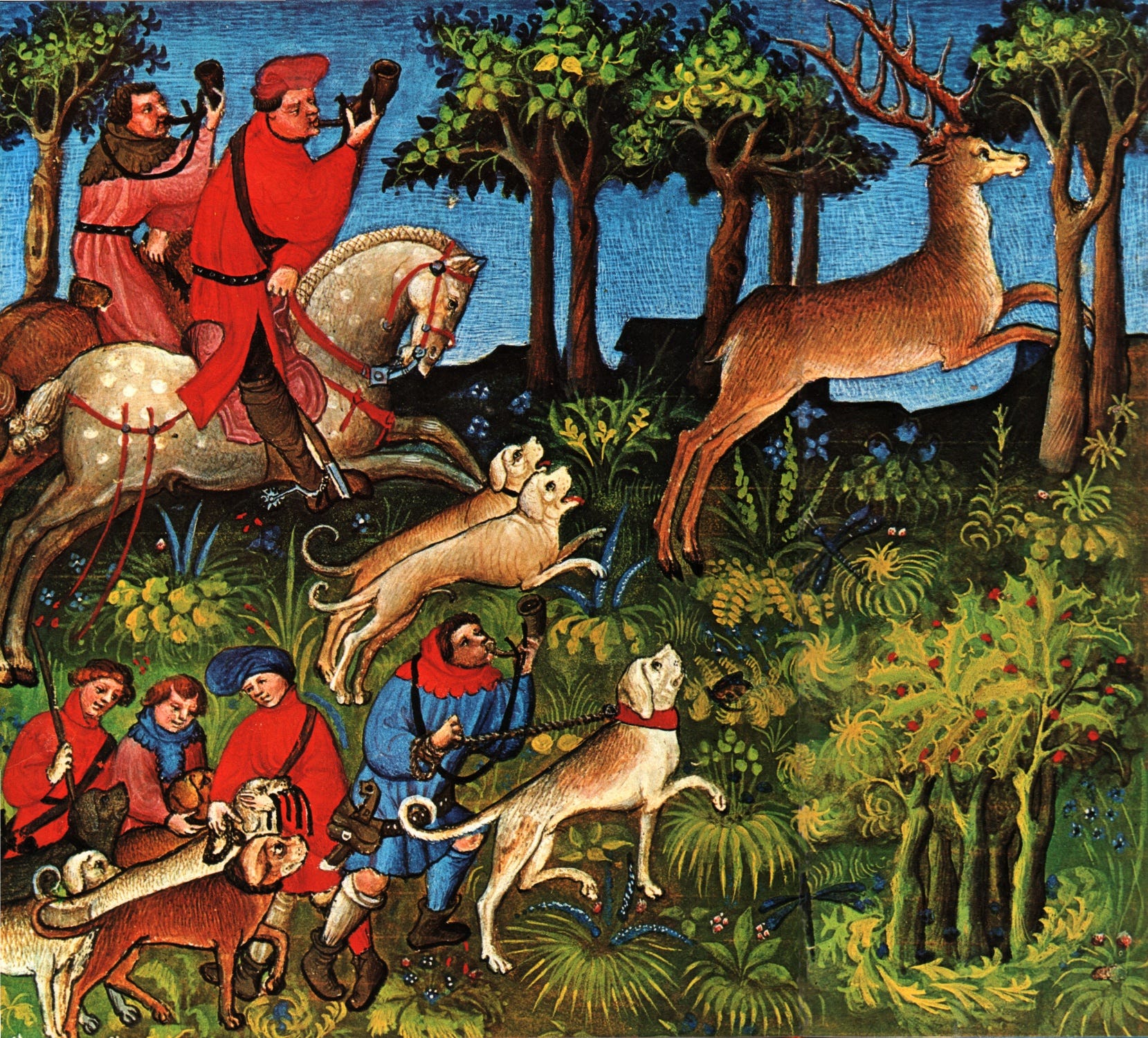
Wiltshire, September, 1535. Cromwell is with the king as the court progresses through the home counties. The days are taken up with hunting and falconry, the evenings with entertainment, and the nights with the business of England.
This day, the king has lost his hat. In deference, everyone has gone bareheaded and now are sunburnt. Everyone except Master Secretary, who has the skin of a lily.
The king is with the Seymours of Wolf Hall. Old Sir John boasts that his daughters are “great hunters” but are not troubled by an education. They can dance, but don’t speak foreign tongues because “they’re not going anywhere.” Cromwell says his daughters were taught equal to his son Gregory.
Jane Seymour speaks of gossip and women’s secrets, and Francis Weston goads Cromwell, knowing he has the king’s protection. Weston accuses Cromwell of bribing and threatening a guilty verdict out of Thomas More’s jury. The king falls asleep, and Jane wakes him.
Edward Seymour and Thomas Cromwell play chess, a rematch of their game in Calais. Seymour wants to talk about religion and affairs of state, and Cromwell is unusually candid. At chess, Cromwell wins again.
Upstairs, Rafe and Gregory are kicking Weston’s ghost and throwing him out the window. In their bed chamber, Gregory asks whether he will marry Jane Seymour. Alone, he, Cromwell, speaks to the trinity: to God, the cardinal, and Lady Rochford.
The next day, they cut short the chase, and Henry walks with Jane in the gardens of Wolf Hall. Cromwell observes them through glass. Afterwards, the king looks stunned. Early next morning, he sees Jane in her stiff finery, looking out into England.
Footnotes
1. Game on
‘At Wolf Hall we are all great hunters,’ Sir John boasts, ‘my daughters too, you think Jane is timid but put her in the saddle and I assure you, sirs, she is the goddess Diana.’
Welcome to Bring Up the Bodies. Wolf Hall was a story told over many years, from Cromwell’s childhood to his supremacy in the summer of 1535.
This sequel will be told in months. We start in September, and it will be all over by May 1536. This should tell you that we are entering an eventful year in Tudor history and the life of Thomas Cromwell.
If Wolf Hall was framed as a play, with theatrical epigraphs, plays within plays, and a memory theatre at its heart, then Bring Up the Bodies is set up as a game, a hunt: a blood sport.
The opening image shows a falcon hunting its prey and returning to her master, Thomas Cromwell. “Her breast is gore-streaked and flesh clings to her claws.” The king spends his days hunting, “a riot of dismemberment, fur and feather flying.” In the evening, Edward Seymour and Cromwell play chess. He says, “Do you really mean to do that, Edward? I see my way to your queen.”
At the start of Wolf Hall, Mantel listed Cromwell’s impressive capacities: “He can draft a contract, train a falcon, draw a map, stop a street fight, furnish a house and fix a jury.” Here, she gets straight to the point:
He has a way of getting his way, he has a method; he will charm a man or bribe him, coax him or threaten him, he will explain to a man where his true interests lie, and he will introduce that same man to aspects of himself he didn’t know existed.
In the first book, Thomas Cromwell became the perfect performer, arranging his face and playing all the parts. In this book, Cromwell has turned up for a fight, and it is a fight he intends to win.
He thinks, Weston is goading me, he knows that in Henry’s presence I will not give him a check; he imagines what form the check may take, when he delivers it. Rafe Sadler looks at him out of the tail of his eye.
Mantel uses this expression twice. At the end of the chapter, Jane Seymour, “does not turn her head to acknowledge him, but she sees him from the tail of her eye.”
I wonder whether “tail” is repeated to remind us of the falcons and the “borrowed plumes” in the hunters’ hats. But it also suggests the watchful expressions of card players at a table. Cromwell is “not in the habit of explaining himself”, and when the king mentions the cardinal, he makes sure “his expression is as carefully blank as a freshly painted wall.”
So here we are: September 1535. We were wolves at court. But now we wish to be those falcons in the sky.
Weightless, they glide on the upper currents of the air. They pity no one. They answer to no one. Their lives are simple. When they look down they see nothing but their prey.
More: Hunting in medieval and Tudor times (The Tudor Society)
More: Wolfhall, The Seymour Mansion (The Tudor Travel Guide)
2. His children are falling from the sky
Note that Bring Up the Bodies begins with a falling image, mirroring the opening lines of Wolf Hall, “Felled, dazed, silent, he has fallen.” But whereas the first book starts on the cobbles, we are now high in the sky. How far we have come! On a good day, “the sky is so clear you can see into Heaven and spy on what the saints are doing.”
In the Wolf Hall Companion, the historian Lauren Mackay writes:
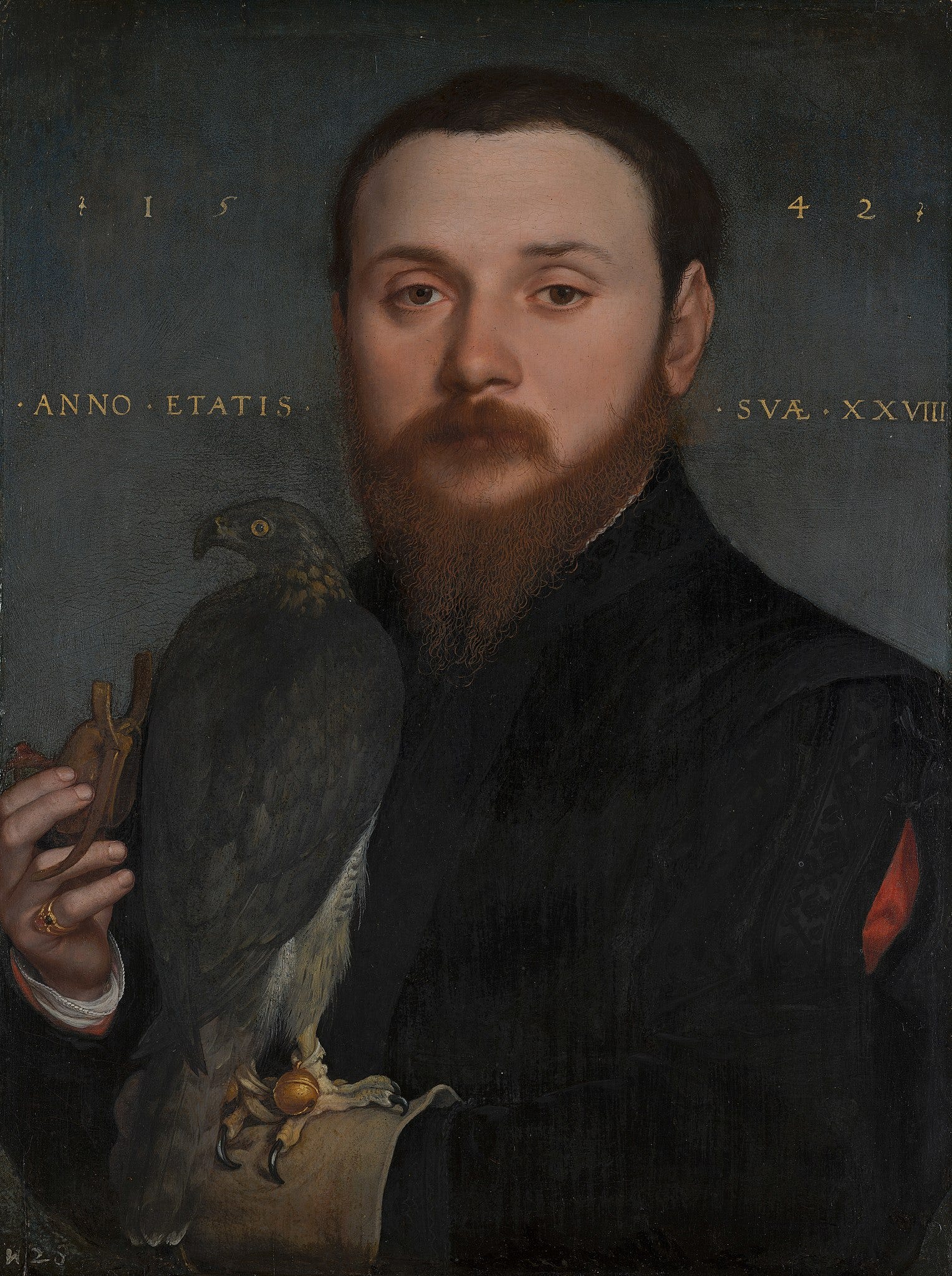
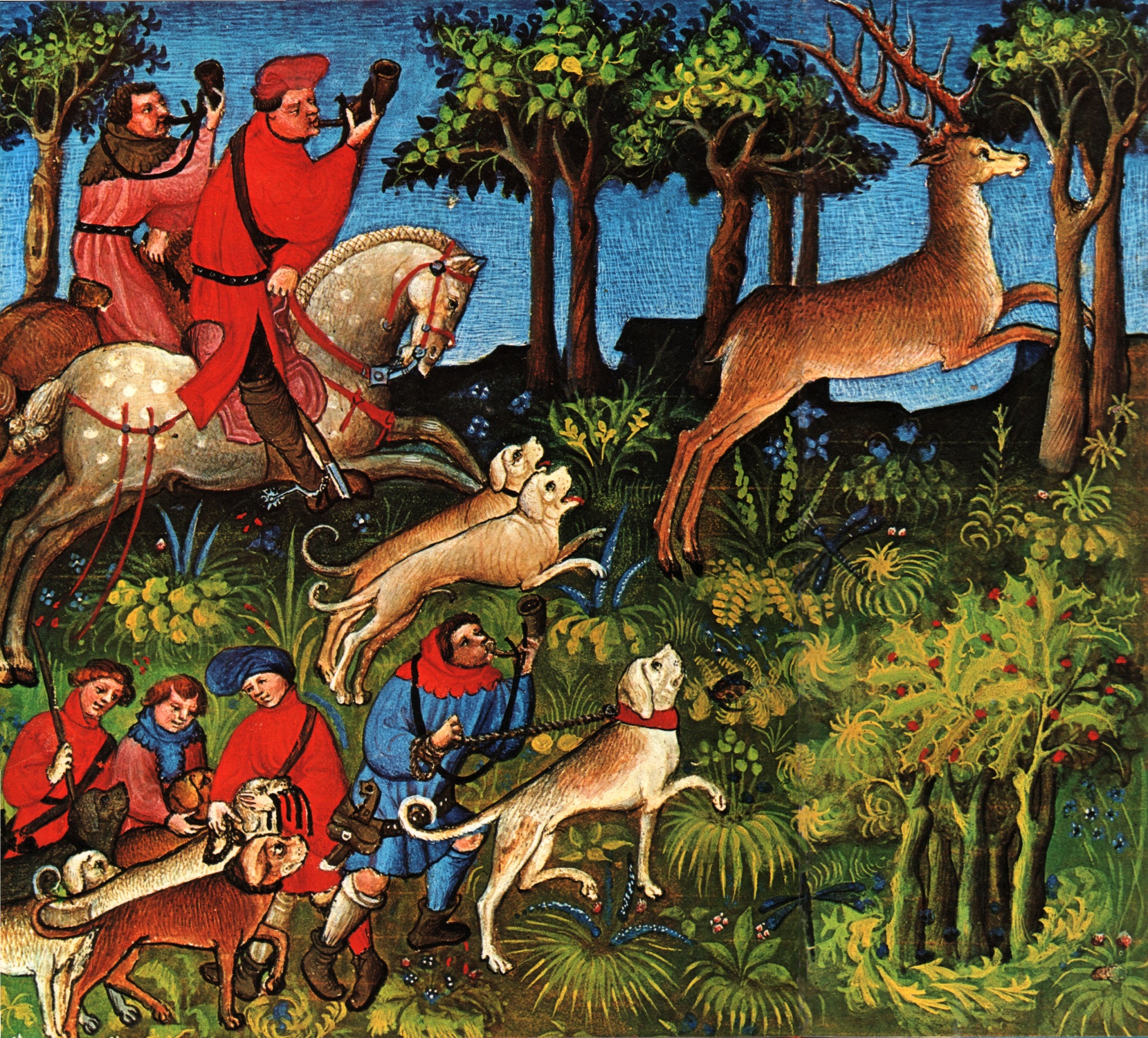
Hawking or falconry, the hunting of small wild game or birds using highly trained birds of prey, had existed for centuries in Europe and Asia, and was something of a sport as well as an art form. It was one of the most popular sports of the aristocracy, among women and men alike, with Henry VIII rearing flocks of birds such as pheasant specifically for the sport.
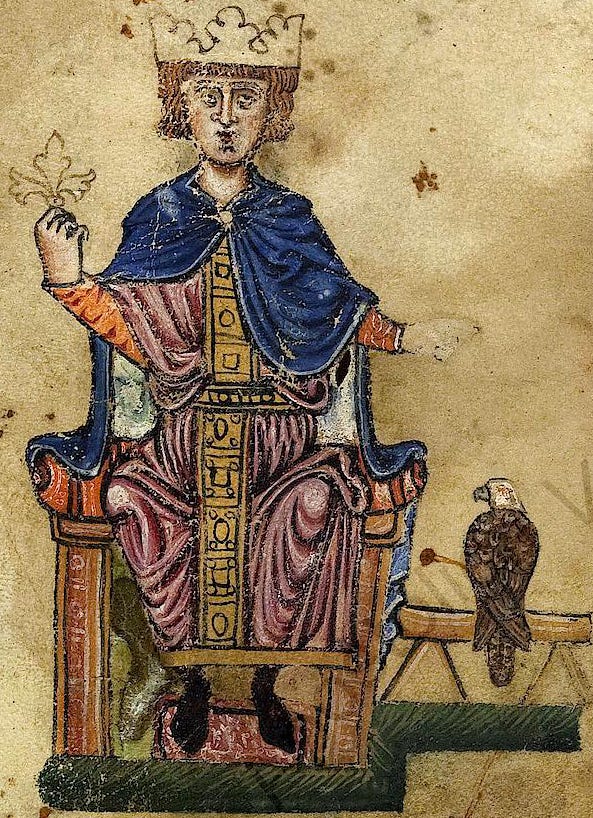
In the 1240s, the Holy Roman Emperor Frederick II wrote the most significant medieval book on falconry: The Art of Hunting with Birds, which was also a pioneering work of ornithology and zoology. In the Bayeux Tapestry, we can see William of Normandy sailing to England with hawks and hunting dogs, resolute on conquest and good pastime.

Remember that Anne Boleyn incorporated a silver falcon into her heraldic shield. The falcon, which came from her Butler ancestors, symbolises someone who does not rest until their object is achieved. Anne is not present in the first chapter, but the title reminds us that her story is central to the one unfolding in this book:
They search out and obliterate any trace of Katherine, the queen that was, smashing with hammers the pomegranates of Aragon, their splitting segments and their squashed and flying seeds. Instead – if there is no time for carving – the falcon of Anne Boleyn is crudely painted up on hatchments.
Falconry lives on in the English language, thanks partly to Shakespeare. A bird that is no longer hungry and has lost the will to hunt is fed up. A haggard bird is a wild raptor that is difficult to train. You keep your bird under your thumb, its tethers held tightly to stop it from flying away. To doubly secure it, you can wrap the jesses around your little finger. A hawk or falcon can be hoodwinked with a cover until you are ready to release it.
The collective noun for a group of falcons is a cast, which is rather appropriate for our book, beginning with its cast of characters.
But when falcons take flight, they may soar to a great height. And then we can call them a tower. Another useful word, going forward.
Watch: Medieval and Tudor Falconry or Hawking (The Tudor Society)
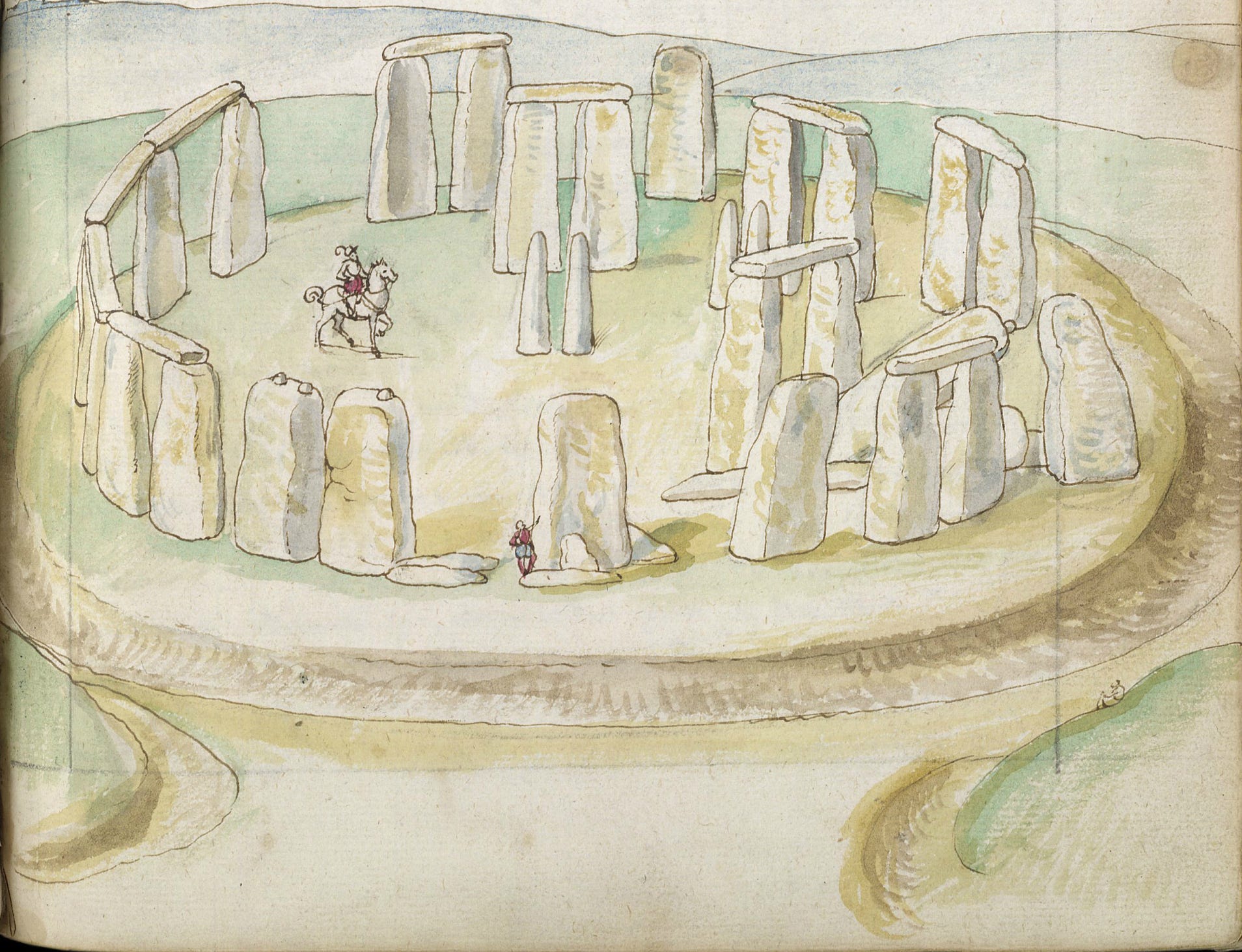
3. Giant blood and standing stones
In this part of England our forefathers the giants left their earthworks, their barrows and standing stones. We still have, every Englishman and woman, some drops of giant blood in our veins.
Note that Wolf Hall is in Wiltshire. The county lies on a chalk plateau called Salisbury Plain, rich in Neolithic archaeology, including Stonehenge.
4. We may have one more fine day
Wolf Hall ended with a deluge, “a miserable dripping week in July.” The rain took on biblical proportions, the Thames “bubbling like some river in Hell”, and it had even begun to dampen Cromwell’s bullish good humour:
‘The world corrupts me, I think. Or perhaps it’s just the weather. It pulls me down and makes me think like you, that one should shrink inside, down and down to a little point of light, preserving one’s solitary soul like a flame under a glass. The spectacles of pain and disgrace I see around me, the ignorance, the unthinking vice, the poverty and the lack of hope, and oh, the rain – the rain that falls on England and rots the grain, puts out the light in a man’s eye and the light of learning too.’
In contrast, Bring Up the Bodies starts with “perfect” summer days. “The clear untroubled light picks out each berry shimmering in a hedge. Each leaf of a tree, the sun behind it, hangs like a golden pear.”
This fine weather and fine hunting puts Cromwell in a pleasant place: “He is not the same man he was last year, and he doesn’t acknowledge that man’s feelings; he is starting afresh, always new thoughts, new feelings.”
But we are reminded that “there will not be many more days like these”, and beyond the untroubled light, “you can sense the shifting presence of the sea.” Autumn and winter are on their way, “and war is always keen to come again.”
It’s what’s latent in the soil, what’s breeding; it’s the days to come, the wars unfought, the injuries and deaths that, like seeds, the soil of England is keeping warm.
This conjures up an inverted image of fertility. In summer, the trees are laden, and the bushes are heavy with fruit. But death is waiting in the soil, ready to return and reap a new and bitter harvest.
5. Cut from a different cloth
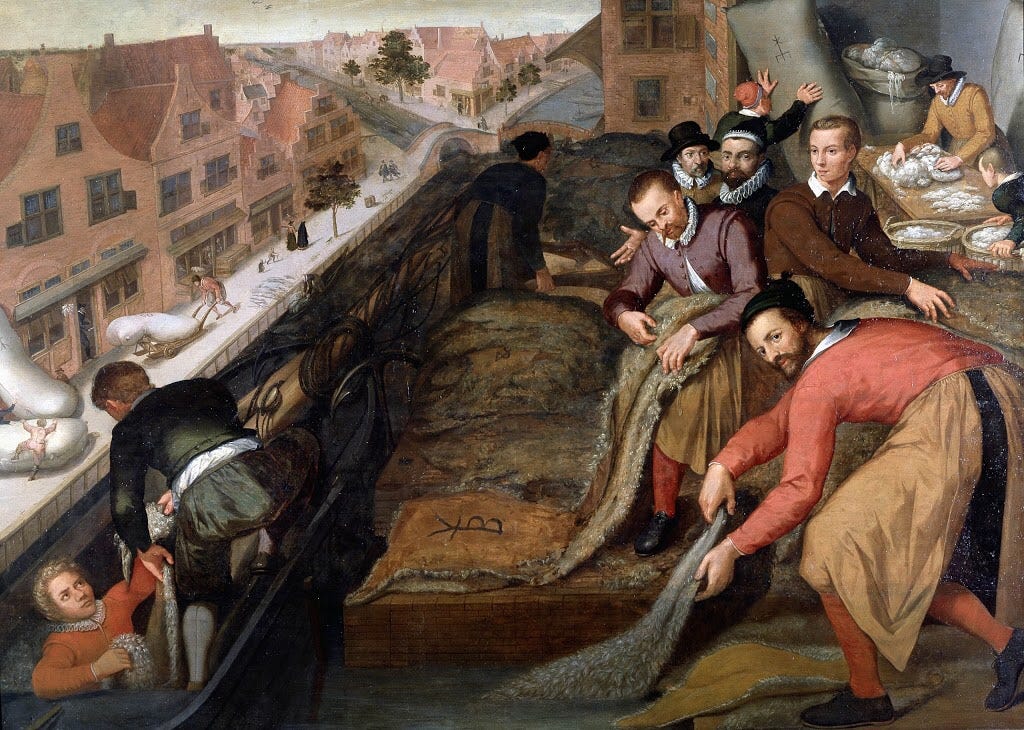
He was a brewer and a blacksmith at Putney, a shearsman too, a man with a finger in every pie, a scrapper and brawler, a drunk and a bully, a man often hauled before the justices for punching someone, for cheating someone.
In Wolf Hall, Mantel sticks with the popular narrative that Thomas Cromwell was the son of a blacksmith. It’s the story I was taught at school. His mythic origins propel Wolf Hall forward. It is a simple narrative: rags-to-riches, from the heat of the smithy to the fires of Smithfield, from making the axe to wielding it. Figuratively speaking, you understand.
The truth is a bit more complicated. The Cromwells were not village peasants. They were yeomen. As Diarmaid MacCulloch puts it, “busy industrious folk who liked to see their promising boys get on in the world, and who valued schooling as the key to advancement.” With the right opportunities, and a bit of luck, a yeoman may hope to become a gentleman.
Walter Cromwell may have been a blacksmith. But he was into a bit of everything. MacCulloch again on Cromwell’s father:
Any respectable way of making money would do; he had some land to farm around Putney and later in nearby Wandsworth and Roehampton, and he brewed beer on a commericial scale. That meant tavern-keeping near the waterfront, a good living at a time when the Thames was the equivalent of a modern main highway. Walter moved from Putney to Wandsowrth around 1501; his property there included a water-mill which could have been for either grain or cloth-fulling.
The Italian writer Matteo Bandello called Thomas Cromwell “the son of a poor cloth shearer”, and in the late 1530s, “shearsman” stuck as a term of abuse for Cromwell’s base origins. Of course, any line of work that involved making money was anathema to the Tudor aristocracy. Francis Weston thinks it is hilarious. But as the king notes in these opening pages, England’s economy depends on its shearsmen.
‘We would be a poor country without our wool trade. That Master Cromwell knows the business is not to his discredit.’
6. On the education of women
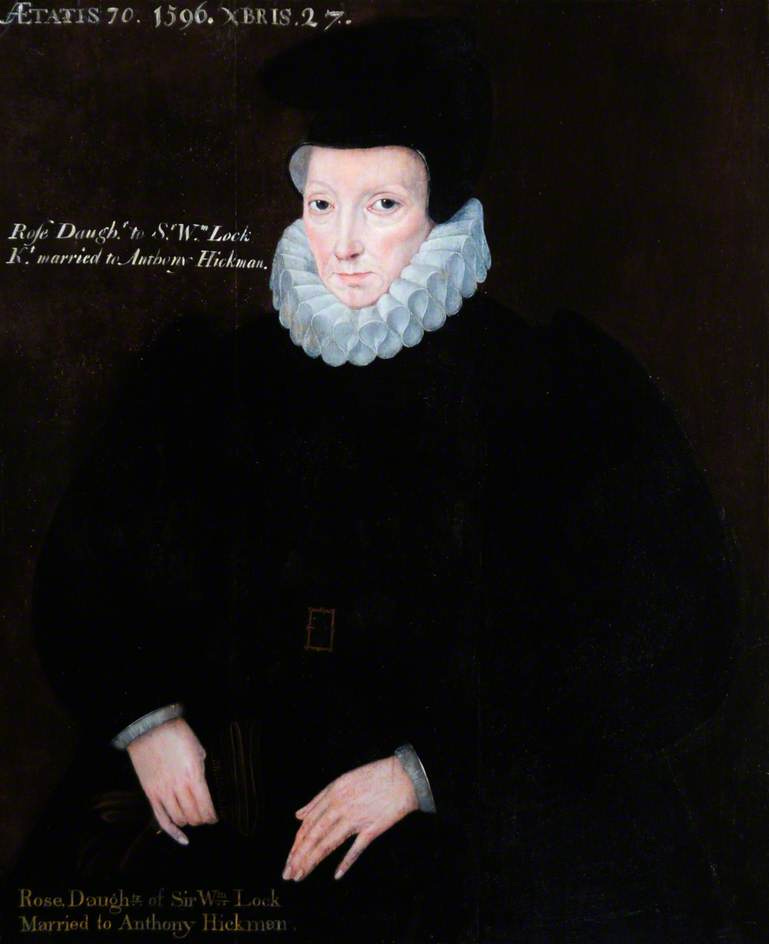
Mantel uses John and Edward Seymour to explore the changing attitudes toward the education of women in the sixteenth century. “I never troubled my girls in the schoolroom,” says old Sir John. His son Edward considers a little schooling a good idea for a merchant’s wife:
'It is not uncommon for the daughters of a city household to learn their letters and a little beyond. You might have wanted them in the counting house. One hears of it. It would help them get good husbands, a merchant family would be glad of their training.'
We saw in Wolf Hall how both Cromwell and Thomas More prioritised the education of their daughters. They were following the advice of Erasmus and a growing trend among the gentry and nobility. Jane says Mary Shelton is teaching her French. Shelton wrote her own poems and was part of a literary circle at court that included Thomas Wyatt. With two other women, Mary Fitzroy and Margaret Douglas, she compiled the Devonshire manuscript of collected verse.
Thomas More’s daughter, Meg Roper, appears at the end of the chapter, keeping her father’s head “in a dish or bowl, and saying her prayers to it.” It is of her that Anne Cromwell said: “Why should Thomas More’s daughter have the pre-eminence?” and insisted on studying Greek.
Margaret Roper will go on to become one of the most learned women of the sixteenth century, publishing her own work and translating Erasmus into English. The humanist scholar Richard Hyrde wrote the Introduction to Roper’s Treatise on the Paternoster, in which he defended women’s education against those who claim it is “neither necessary not profitable” and “very noisome and jeopardous.”
Jane’s brother Tom thinks it is a bit of a lewd joke that Jane is practising “the French tongue.” But this moment also emphasises the gulf in education and experience between the queen that is now, Anne Boleyn, and Jane Seymour, the queen to come.
Read: Tudor girls and education (Elizabeth Norton)
Tangent: Margaret Roper, Tudor scholar and writer (Aimee Fleming)
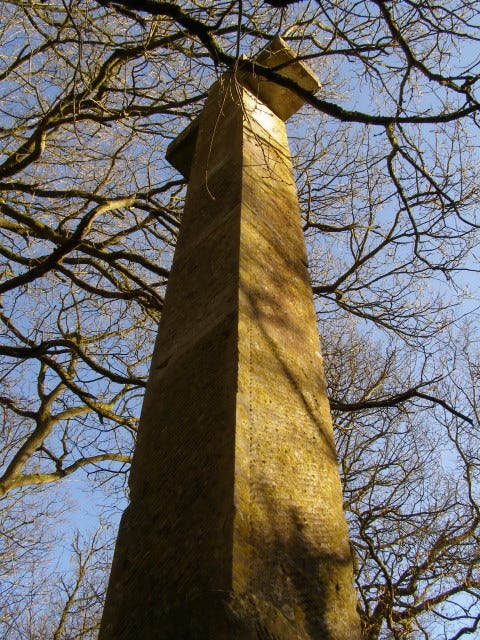
7. Dead Man’s Plack
Upon discovering the earl’s treachery Edgar ambushed him, in a grove not far from here, and rammed a javelin into him, killing him with one blow.
The earl in Sir John’s story was called Æthelwald, and the fair maiden’s name was Elfrida. The Seymours probably picked up the story from the twelfth-century historian William of Malmesbury. In the nineteenth century, historians debunked the story as a “tissue of romance”, but one antiquarian was so convinced of its truth that he erected a monument in memory of Æthelwald in Harewood Forest, Hampshire.
The stone cross is called Dead Man’s Plack, which is probably a corruption of “Dudman’s Platt”, platt meaning a plot of land. This is a perfect Mantel tangent: a medieval ghost story that may or may not be based on historical events.
'And the country folk say,' Sir John adds, 'that the false earl walks the woods still, groaning, and trying to pull the lance out of his belly.'
The story shimmers with possible meanings and foreshadowing. A jealous king killing his beloved subject over deceit and the love of a woman. Edgar the Peaceable is not especially peaceful. A few pages later, we are told that our king “would be known as Henry the Valiant, except Thomas Cromwell says he can’t afford a war.” Edgar is not peaceful, Henry is not valiant, and all of this story may be nothing but lies.
‘Some of these things are true and some of them lies. But they are all good stories.’
8. Cromwell vs. Boleyn
'Anne? She is at outs with me. I feel my head wobble on my shoulders when she stares at me hard.'
Officially, Master Secretary and Queen Anne are on the best of terms. They share the same religious agenda, and Cromwell has spent the last six years labouring to put Anne where she is now. In previous weeks, we have discussed how historians have traditionally assumed that Cromwell and Anne were allies. As Diarmaid MacCulloch writes, their enemies considered it “self-evident that the heretical Queen and the heretical minister were hand in glove in efforts to destroy true religion.”
But in June 1535, the Imperial Ambassador Eustace Chapuys reported that Cromwell told him the queen and minister had quarrelled, and the queen had said “she would like to see his head off his shoulders.” Chapuys wrote to his emperor:
I cannot tell whether this is an invention of Cromwell, in order to raise the value of what he has to offer. All I can say is that everyone here considers him Anne’s right hand, as I myself told him some time ago.
Here, Cromwell is being equally candid with Edward Seymour, who he considered “in every respect the king’s man.” He may have told Chapuys to confound England’s enemies, but he is telling Seymour for a different reason. He trusts him. And Edward Seymour is inclined towards religious reform. If there is to be a rift within the evangelical camp at court, Cromwell would very much like to have Seymour on his side.
Tangent: Historian Owen Emmerson fulfils Anne Boleyn’s wishes to see Cromwell’s head off his shoulders (BBC)
9. Hearts and minds
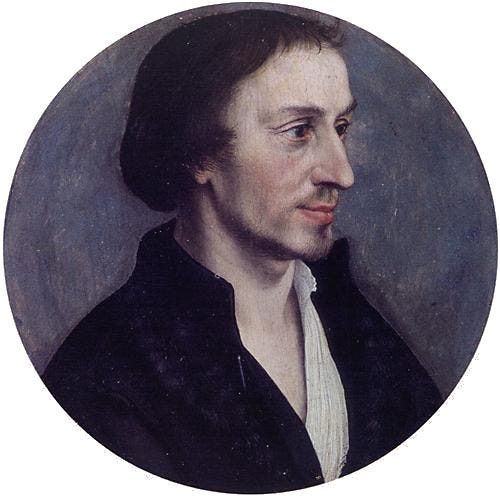
‘You should read Philip Melanchthon. I will send you his new book. I hope he will visit us in England. We are talking to his people.’
Here’s the subtext behind this section. Remember that Henry VIII hates Martin Luther and that the king’s opposition to Lutheranism is a major obstacle for reformers like Cromwell in England. Philip Melanchthon is a Professor of Greek at Wittenberg University in Germany, and he is what Diarmaid MacCulloch calls Cromwell’s trump card:
Despite being Luther’s right-hand man, he seemed immune from Henry’s hatred of Luther himself: the King respected his formidable reputation as a humanist scholar which outweighed that unfortunate reputation.
In 1535, King Francis invited Melanchthon to Paris. France was exploring its own possible alliance with the Schmalkaldic League of Protestant German provinces against the Emperor. Cromwell could utilise Henry’s rivalry with Francis to make their own competing invitation to Melanchthon and move closer to a diplomatic alliance with Protestant Germany.
Two evangelical scholars were sent off to Germany as envoys of the king. The initial result is the book Cromwell mentions to Edward Seymour, Melanchthon’s Loci communes. It is the first major Protestant book outside of England to be dedicated to Henry VIII. The preface flatters Henry’s condemnation of both Anabaptists and monks, while the book itself moderates Luther’s stark theology, making it more amenable to the traditionally-minded monarch of England.
Listen: The “gentle Lutheran”, Philip Melanchthon (Brian Cummings)
10. The news of the world
This chapter does an enormous amount of heavy lifting. It reintroduces Cromwell and most of the main characters, reminding us of where we are and what has happened. It should just about be possible for a new reader to pick up Bring Up the Bodies without having read Wolf Hall. However, I wouldn’t recommend it.
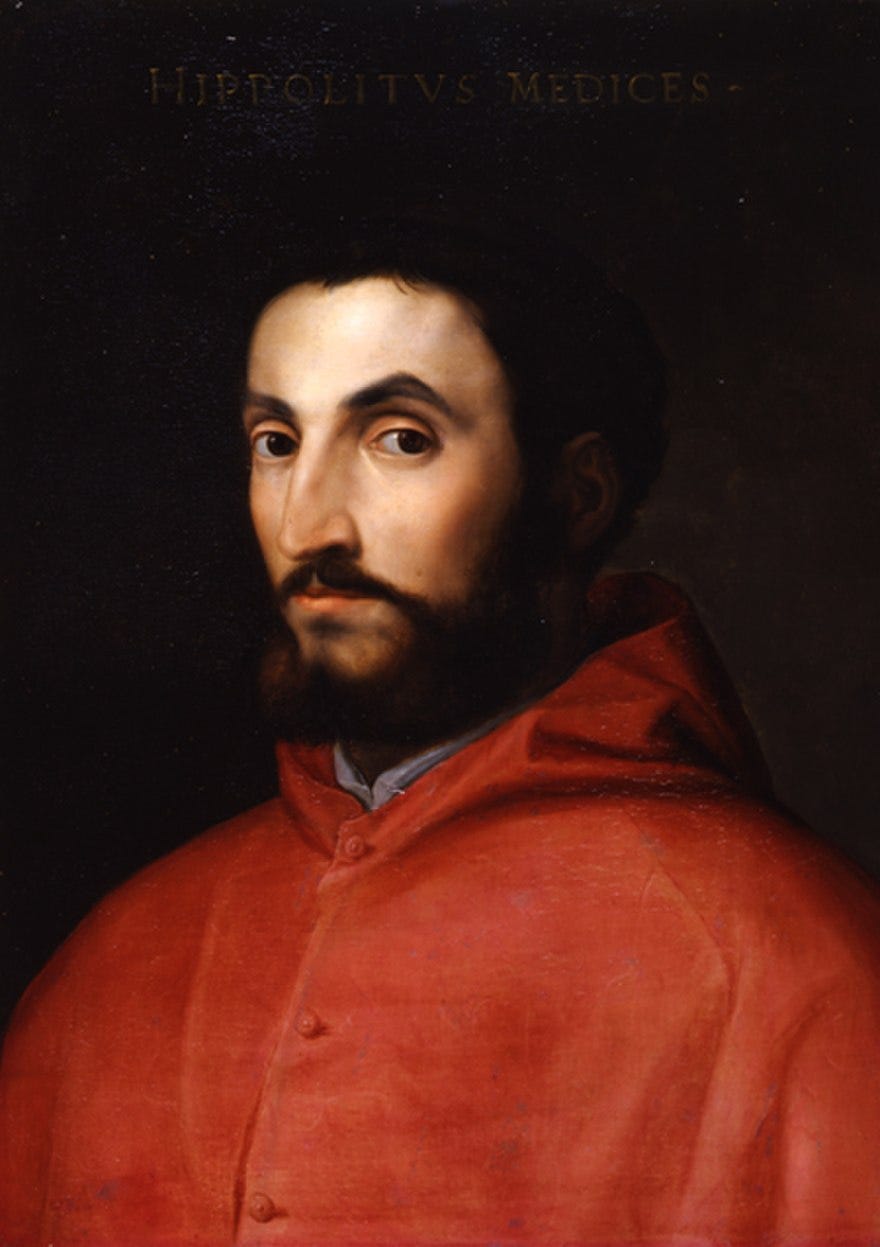
Cromwell’s intray is a simple narrative device to get us up to speed. The news reminds us that England still owns Calais, the last scrap of English territory in France. The poisoned Medici cardinal is Ippolito de’ Medici. He probably died of malaria, but there were plenty of rumours that his relatives or even the pope were behind his untimely death. Grain hoarders and food riots remind us of the unrest in York at the end of Wolf Hall, and the ever-present possibility of more widespread rebellion.
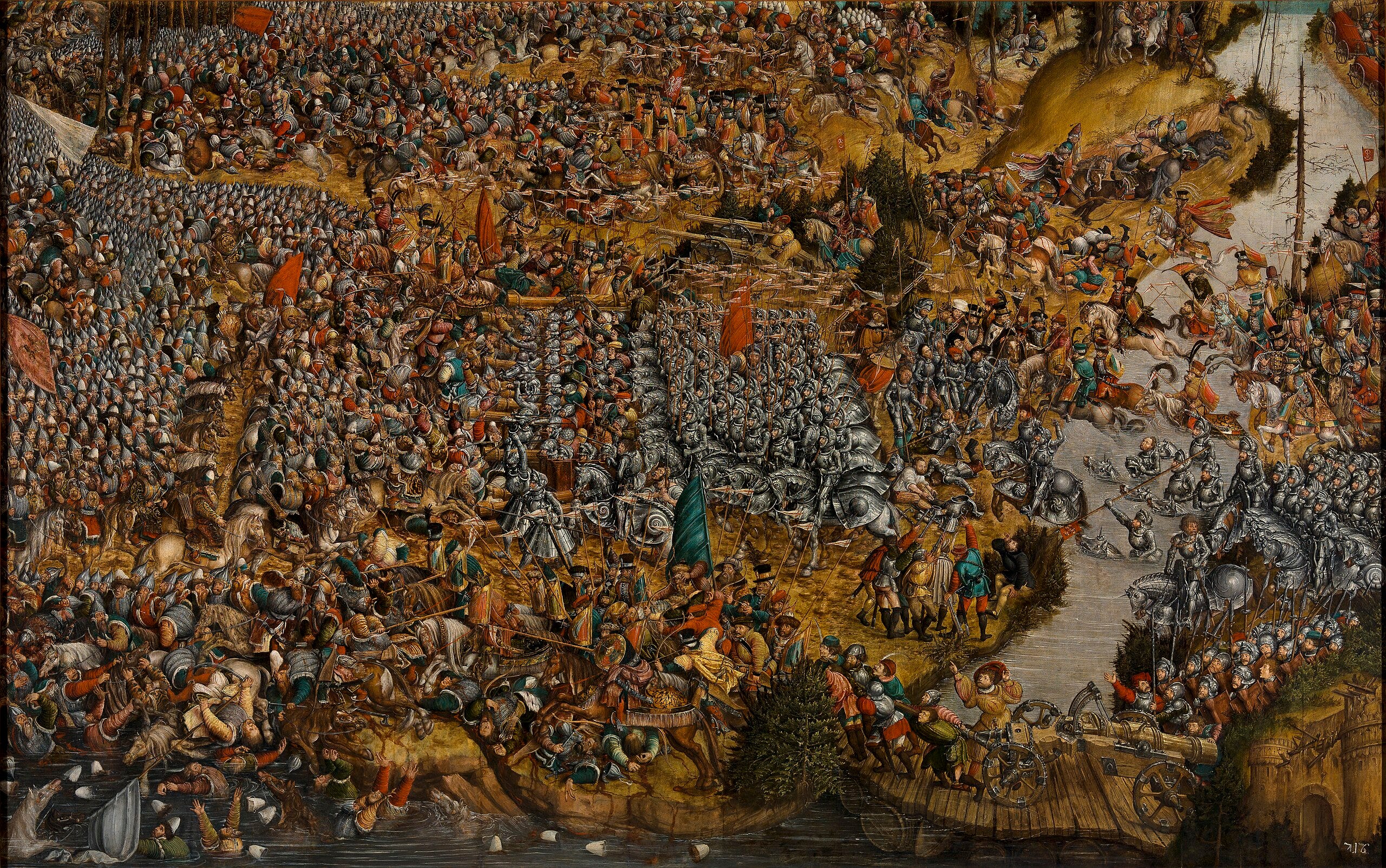
The Muscovite victory in Poland is part of an ongoing conflict between the Grand Duchy of Moscow and the allied forces of Lithuania and Poland. Muscovite gains culminated in 1547 with the unification of Russia under Ivan the Terrible.
And finally…
Letters from foreign rulers, wishing to know if it is true that Henry is planning to cut off the heads of all his bishops.
The beheadings of Bishop Fisher and Thomas More sent shockwaves through Catholic Europe. Fisher was in his sixties and severely ill. More was an internationally respected scholar. France, Spain and Rome were united in outrage, and the killings made it abundantly clear that England had no intention of returning to the Universal Church.
In the archives with Bea Stitches
So. Bring Up the Bodies. The second book of Hilary Mantel’s Cromwell Trilogy will bring forth some of the most disturbing archival documents I have ever seen, the traces of the dead almost tangible across the centuries. But not this week.
Instead, let us talk of marriage. Is Gregory to marry Jane Seymour? Will Thomas find a bride in the forest? And can a marriage be brought about to secure the Tudor dynasty? Cromwell tells Edward Seymour he prefers diplomacy to war – it is cheaper after all.
At a time when Anne is queen, her little daughter Elizabeth is the future. A great marriage must surely be due to her, but Cromwell asks, “What use is Anne’s child, the infant Elizabeth?”
In 1535, negotiations took place with the French – led by Uncle Norfolk, surely the most belligerent of ambassadors (fictionally, at least) – to bring about a marriage between the Princess Elizabeth and the youngest son of the French King Francis: Charles de Valois, the Duke of Angoulême.
Elizabeth was little more than a baby at the time of these negotiations, but the marriage would be brought into effect when Elizabeth was seven years old (not unusual in the arrangement of sixteenth-century dynastic alliances). In the meantime, the Duke of Angoulême would be brought up and educated at the English court.
Various provisions were to be included in any marriage treaty in relation to dowries, movable goods, the death of any of the parties, further as yet unborn heirs of Henry’s and in the event that the Duke “should succeed to the crown of England, his dukedom and lands in France should be discharged of all exactions and homages which might hereafter produce unkindness between the Kings of England and France”.


Instructions for the negotiations were drawn up and written out on multiple pages of what we would think of as triple-spaced text. That space between lines came in useful because, according to Henry in the first chapter of Bodies, Cromwell “cannot sleep unless he is amending something”.
This, of course, is Hilary putting words into Henry’s mouth – but Cromwell certainly had a penchant for amending documents. Lots of documents survive – double or triple spaced in the hand of Thomas Wriothesley or unnamed clerks – where Cromwell has added, deleted, or amended. From property leases drawn up in the early 1520s as part of his legal practice to international treaties, his scrawled words boldly clarify, improve, or strengthen drafts. Sometimes he rewrites to render a document more ambiguous. His aim is to ensure the documents will be fit for his purpose.
I don’t know whether it was common practice to space out draft documents for easy amendment, but if you clerked for Cromwell, I imagine you would quickly learn to do so. He can’t stop himself redrafting – ink blots, crossings out and all.
In this instance, Cromwell’s amendments came to nothing. The proposed marriage of the Princess Elizabeth did not take place; and, as Queen, Elizabeth I never married.
When Uncle Norfolk was not undertaking his own brand of “diplomacy”, he was busy fighting with his wife. They did not get along at all – both in fiction and in reality – with tales of domestic violence, separation, and Norfolk’s infidelity being well known.
The real Cromwell, however, was friendly with Norfolk’s wife – another Elizabeth – and here is a letter from her to Cromwell, dated 3 March 1535:
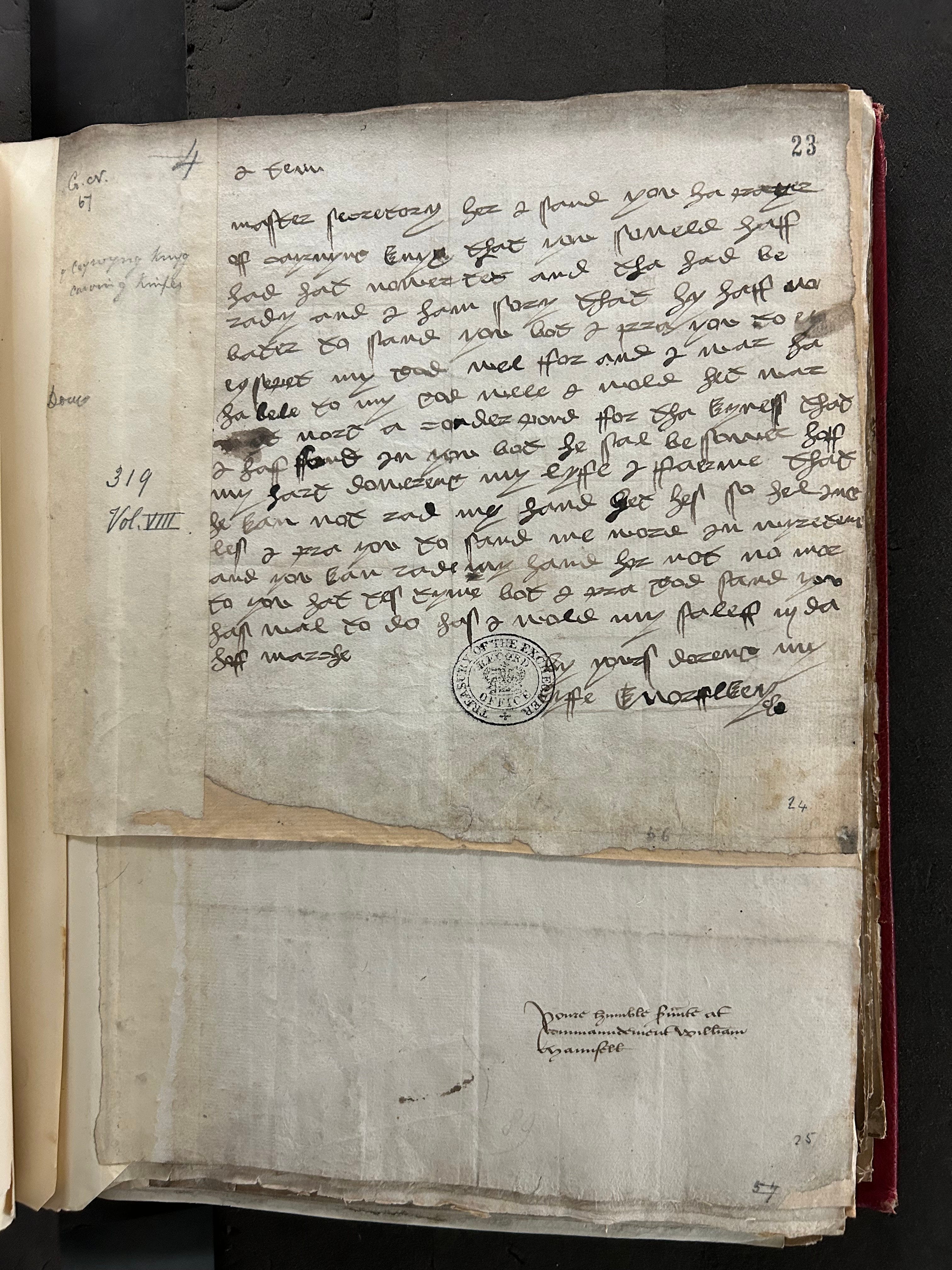
She is sending a pair of carving knives that Cromwell “soueld haff had hat nowerres” - in other words, he should have received them at New Year, the traditional time for exchanging gifts.
She says she would rather have sent £100 for the kindness Cromwell has shown to her “but you shall have my heart during my life.” And she’s concerned that Cromwell won’t be able to read her handwriting.
Cromwell’s handwriting is notoriously bad, as is the Duchess’s. I can imagine them writing to each other for years – neither knowing what the other is saying. Hopefully, they kept up their friendship with the help of clerks who could write their letters for them. I’m glad that the Duchess of Norfolk had a friend in Cromwell. By all accounts, her marriage was horrendous, and having a powerful friend in Master Secretary must have given her some comfort. Her letter tells us how grateful she really was.
Read more about Bea’s Cromwelling at The Thread of Her Tale
The haunting of Wolf Hall
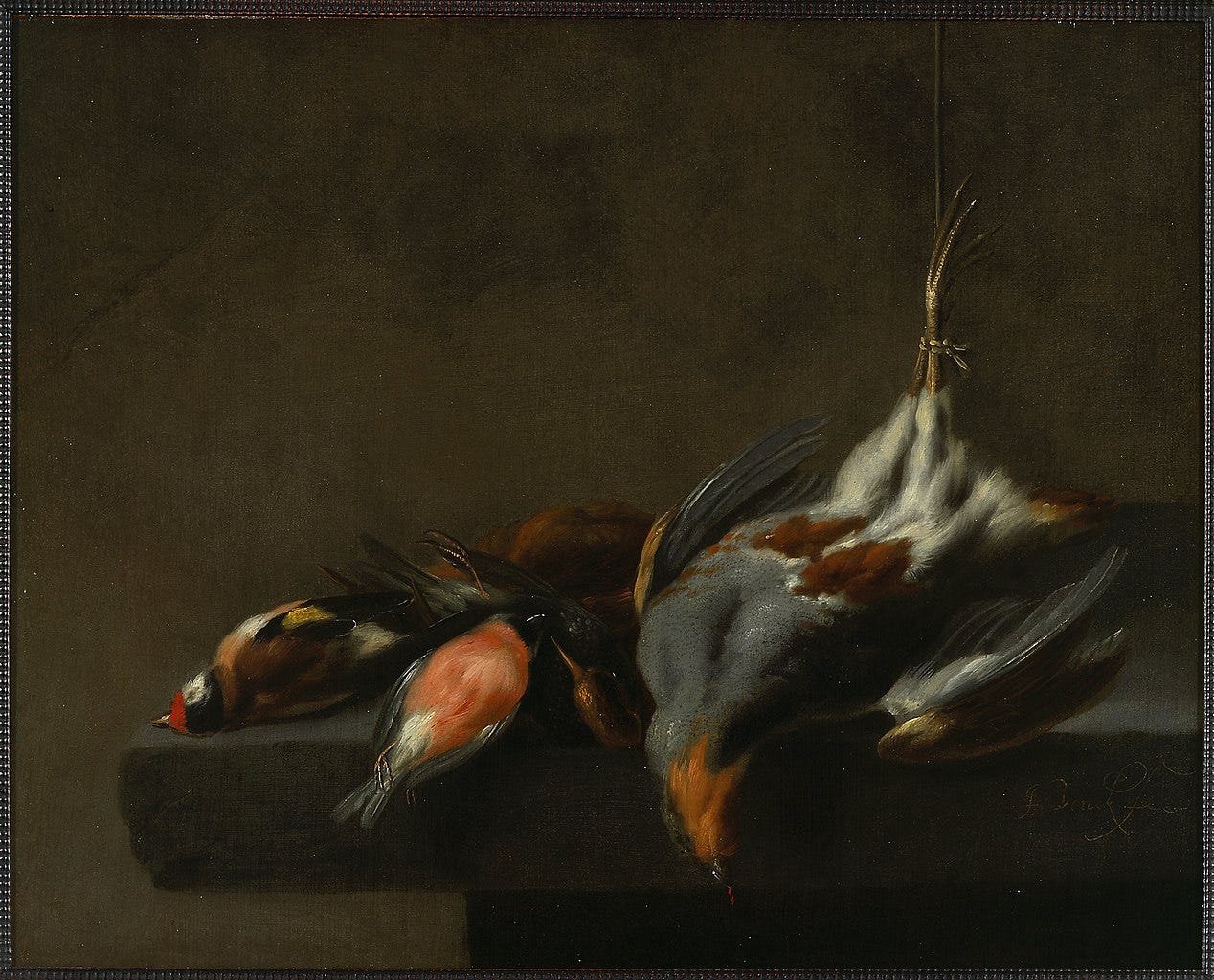
At Wolf Hall, old Sir John asks:
‘All these falcons named for dead women … don’t they dishearten you?’
But Cromwell is never disheartened. “The world is too good to me.”
And so it is. We are now at the far edge of summer, 1535. Master Secretary has accrued “offices, perquisites and title deeds, manor houses and farms.” He has the ear of the king and deals every day “with grandees who, if they could, would destroy him with one vindictive swipe, as if he were a fly.”
He is soaring high in scorching heat. The sky, “so clear you can see into Heaven and spy on what the saints are doing.” Liz, Anne and Grace are flying with him, above him, for him. Transformed into falcons, they are without pity, untroubled by the weight of the world. The weight that pulled him down last year.
‘The world corrupts me, I think. Or perhaps it’s just the weather. It pulls me down and makes me think like you, that one should shrink inside, down and down to a little point of light, preserving one’s solitary soul like a flame under a glass.’
Not now. He does not acknowledge last year’s man. “He is starting afresh, always new thoughts, new feelings.” He is not the man who pitied More; he’s not the man who killed him. Gregory says:
   ‘They say you liked Jane yourself.’
   'When?'
   'Last year. You liked her last year.'
   'If I did I've forgot.'
He, the sorcerer, works the memory machine. He remembers what he needs to remember, he forgets what he must. “No one knows where he has been and who he has met, and he’s in no hurry to tell them.” No hurry to open his heart’s private book.
Here, in Wolf Hall, Jane is another Jane. At court, she has perfected the “habit of silence”, but here, she speaks freely. “I don’t believe in ghosts,” she says. Neither do I, he thinks.
It’s an easy thing to say, in candlelight and company. But alone in the dark, at the edge of your vision, your memories move against you.
Your children are falling from the sky. All day long, you have been looking up, watching and waiting. And now they are here, behind closed eyes, wheeling high and diving low. His ethereal corpulence, the cardinal, flits in the tail of your eye. You want him to tell you the future, but he can only predict the weather. “We may have one more fine day.”
When the king mentions Wolsey, you close the book of your heart and look away, out across England.
What was England, before Wolsey? A little offshore island, poor and cold.
He, Henry, is talking about King Edgar the Not-So-Peaceable, who killed the earl with “one clean blow. He must have had a good throwing arm, King Edgar.” He mimes the murder, because that is all Henry the Valiant can do: too poor for war, too old for combat.
He, Cromwell, is thinking of the earl’s ghost, who “walks the woods still groaning,” looking for the king who brought him down. The cardinal in the corner smiles. A shadow across the wall. The cardinal invented Cromwell, “the butcher’s dog”, but now Hans Holbein has captured him in his painter’s eye. “Versions of himself in various stages of becoming.” In each one, he looks like a murderer.
Still, the dead do not complain of their burial. The ghosts do not seek revenge. “It is the living that turn and chase the dead.” He loved the cardinal, and the king killed him. Thomas More let it happen. Anne laughed. Anne crowed, “pointing, applauding”, as her brother George, Henry Norris, William Brereton, and Sir Francis Weston hauled his body into hell.
‘This is Francis Weston. You think he is helping put the king to bed, but in fact we have him here in ghostly form. We stood around a corner and waited for him with a magic net.’
And where, he wonders, does one come by a magic net?
Quote of the week: Root bride
Cromwell, like Jane Seymour, doesn’t believe in ghosts. And yet sometimes, “when he is on the verge of sleep, the cardinal’s large scarlet presence flits across his inner eye.” With Cromwell, tiredness always weakens the walls between the real and the phantasmal. “You may find a bride in the forest, old Seymour had said.”
When he closes his eyes she slides behind them, veiled in cobwebs and splashed with dew. Her feet are bare, entwined in roots, her feather hair flies into the branches; her finger, beckoning, is a curled leaf.
These days are perfect, but laden with uncertainty. Full of threat and veiled menace, “hidden among the trees.” He, Cromwell, must see beyond this summer, past the next move on the board, and sense what is coming, whether good or ill:
At the edge of his inner vision, behind his closed eyes, he senses something in the act of becoming. It will arrive with morning light; something shifting and breathing, its form disguised in a copse or grove.
Some sixth sense, the hunter’s instinct, ready for the shadow on the wall. The blow and its reply.

Additional resources
Explore the complete book guide to Bring up the Bodies, including further resources on the books and Hilary Mantel.
Readers’ posts:
Next Week
Thank you for reading and joining me on this slow read of Hilary Mantel’s Cromwell trilogy.
Next week, we will read the first half of Part One. Chapter II. Crows. London and Kimbolton, Autumn 1535.
UK Fourth Estate edition, pp. 36–75
US Picador, pp. 31–62
US Henry Holt, pp. 31-63 (guide only, editions vary)
Ben Miles audiobook, 01:07:15–2:27:10
First Line: Stephen Gardiner! Coming in as he’s going out…
Last Line: ‘If she should die within the year, I wonder what world would be then?’
Please use the comments section in this post to discuss this week’s reading and ask any questions you may have. And if you have found it useful, please share this post and podcast to let others know about this slow read.
Credits
I would like to thank Lucie Bea Dutton for bringing the archive to life and Matt Brown for making maps to help us navigate Cromwell’s world. Thank you Laura Crow for illustrating Wolf Crawl so beautifully. The music is ‘Scaramella’ by Josquin des Prez, arranged for guitar by Joe Bates and performed by Sam Cave. I am your guide, Simon Haisell, and this is Wolf Crawl.




.JPG)

,_Bitwa_pod_Orsz%C4%85.jpg)
